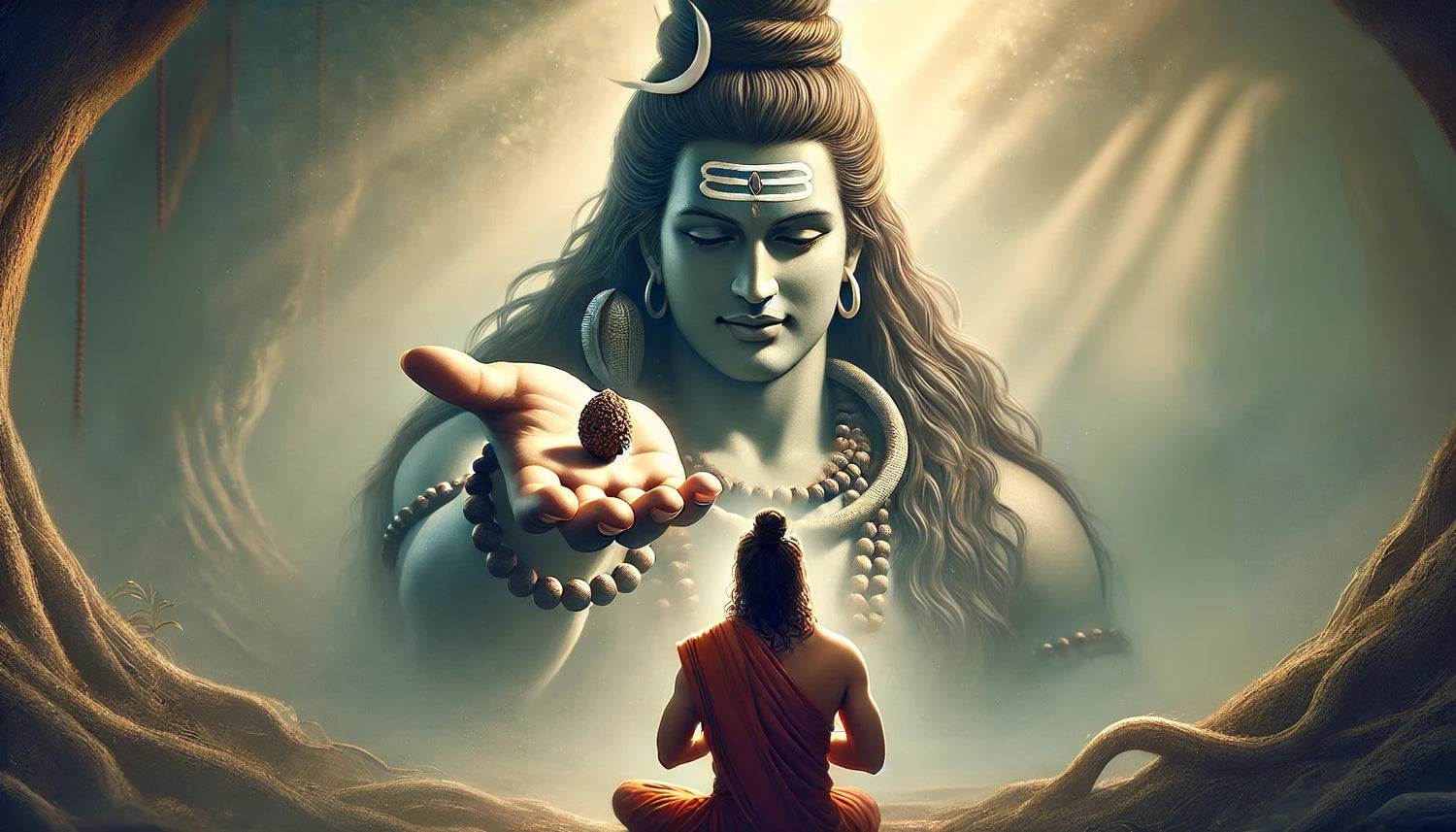
The 3 Mukhi Rudraksha Mala has 108 natural Indonesian 3 Mukhi beads plus a guru bead, knotted on thread, and every mala is lab certified by RKRTL before it ships. Prices start at ₹2,371. It is the mala of Agni, the fire god, used for japa and worn for confidence and a fresh start.
3 Mukhi Rudraksha Mala Price
The 3 Mukhi Rudraksha Mala price is ₹2,371, after the 15% discount. The price includes the RKRTL certificate.
What You Receive
- One 3 Mukhi Rudraksha Mala: 108 beads plus 1 guru bead, with a knot between each bead
- An RKRTL certificate with a unique ID & QR code, showing the X-ray for your mala's batch, verifiable at rkrtl.com/verify
Why Our Malas Use Indonesian Beads
Indonesian Rudraksha is naturally small and light, so a 109-bead mala sits comfortably around the neck and moves easily through the fingers during japa. Nepali beads of the same mukhi are much larger and heavier, and far too costly to string 109 at a time. Our single beads come only from Nepal; our malas are made from Indonesian beads, and we say so on every mala.
How RKRTL Tests Every Mala
-
Every bead checked: every bead on the mala is checked for its mukhi count, by eye and under magnification.
-
Batch X-ray: X-raying all 108 beads of every mala is not practical, so from each batch one mala is broken open and its beads are X-rayed to confirm the internal chambers match the lines. Every mala from that batch is certified against that X-ray.
-
Your own certificate: each mala ships with its own RKRTL certificate showing the batch X-ray.
You don't have to take our word for it: enter the certificate ID at rkrtl.com/verify, or scan its QR code, to see the X-ray and results.
Vedic Tradition and Significance
-
Deity: Agni, the fire god.
-
Ruling planet: Mars (Mangal).
-
Beej mantra: Om Kleem Namah, as given in the Shiva Purana.
-
Other names: Teen Mukhi Rudraksha Mala, Three Mukhi Rudraksha Mala, 3 face Rudraksha mala.
Traditional Benefits
These are traditional beliefs, not medical or guaranteed claims.
-
Confidence and energy: linked to Agni and Mars, the most common reason it is chosen.
-
Letting go of the past: fire is the purifier, so it is worn to move on from guilt or old setbacks.
-
Daily japa: a full 108-bead mala for counting mantras.
How to Use and Wear a 3 Mukhi Mala
-
For japa: hold the mala in the right hand, start from the bead next to the guru bead and move one bead per mantra with the thumb. At the guru bead, turn the mala around rather than crossing it.
-
Day to begin: Tuesday, the day of Mars.
-
Wearing: wear it around the neck, or keep it in the puja room for daily japa.
-
Care: wipe with a soft dry cloth and dry at once if it gets wet. The knots keep the beads from scattering if the thread ever breaks; have it restrung when the thread wears thin.
Frequently Asked Questions
1. What is the price of a 3 Mukhi Rudraksha Mala?
At RudraKailash, a lab certified 3 Mukhi Rudraksha Mala is ₹2,371 after the 15% discount, including the RKRTL certificate.
2. How many beads are in the mala?
108 beads plus 1 guru bead. 108 is the traditional count for one round of japa, and the guru bead marks where the round starts and ends.
3. Are the beads Nepali or Indonesian?
Indonesian. Small, light Indonesian beads make a mala that is comfortable to wear and to count with. Our single 3 Mukhi beads, from Nepal, are sold separately.
4. Is the 3 Mukhi Rudraksha Mala lab certified?
Yes. Every bead is checked for its mukhi count, and one mala from each batch is broken open and X-rayed by RKRTL. Your mala ships with its own certificate showing that batch X-ray, which you can verify at rkrtl.com/verify.
5. What mantra should I chant with it?
Om Kleem Namah, the 3 Mukhi mantra given in the Shiva Purana. One full round of the mala is 108 repetitions.
6. Can I wear the mala every day?
Yes. There are no restrictions by age, gender or background. Wipe it dry if it gets wet, and avoid soaking it in oil or ghee, which darkens the beads early.